
Classic Porsche interiors tell a story that goes far beyond leather and stitching. From the minimalist cabins of the early 356 to the refined yet purposeful interiors of air-cooled 911 models, Porsche interior design has evolved alongside performance, engineering, and driver expectations. For enthusiasts who value classic Porsche interiors in Everett, understanding this evolution is essential to preserving authenticity, comfort, and long-term value.
Everett has quietly become home to a growing number of classic Porsche owners who appreciate craftsmanship, originality, and proper restoration. This article explores how Porsche interior design evolved over the decades and how Everett owners are preserving these interiors in a climate that demands thoughtful care.
The Porsche 356 Era: Function Before Luxury
The Porsche 356, produced from the late 1940s through the mid 1960s, set the foundation for Porsche interior philosophy. Interiors were simple, driver-focused, and intentionally lightweight. Early models featured sparse dashboards, thin steering wheels, minimal sound insulation, and durable materials designed more for function than comfort.
Seat upholstery in early 356 models often used vinyl or leatherette rather than full leather. Carpets were basic, and switchgear was minimal. Everything inside the cabin served a purpose. This simplicity is a major reason why restoring classic Porsche interiors from this era requires a deep understanding of original materials and construction methods.
In Everett, owners of Porsche 356 models often prioritize period-correct restoration over modern upgrades. Maintaining original seat patterns, correct stitching styles, and accurate dashboard finishes helps protect the car’s historical integrity and collector value.
Transition to the Early 911: Refinement Without Losing Identity
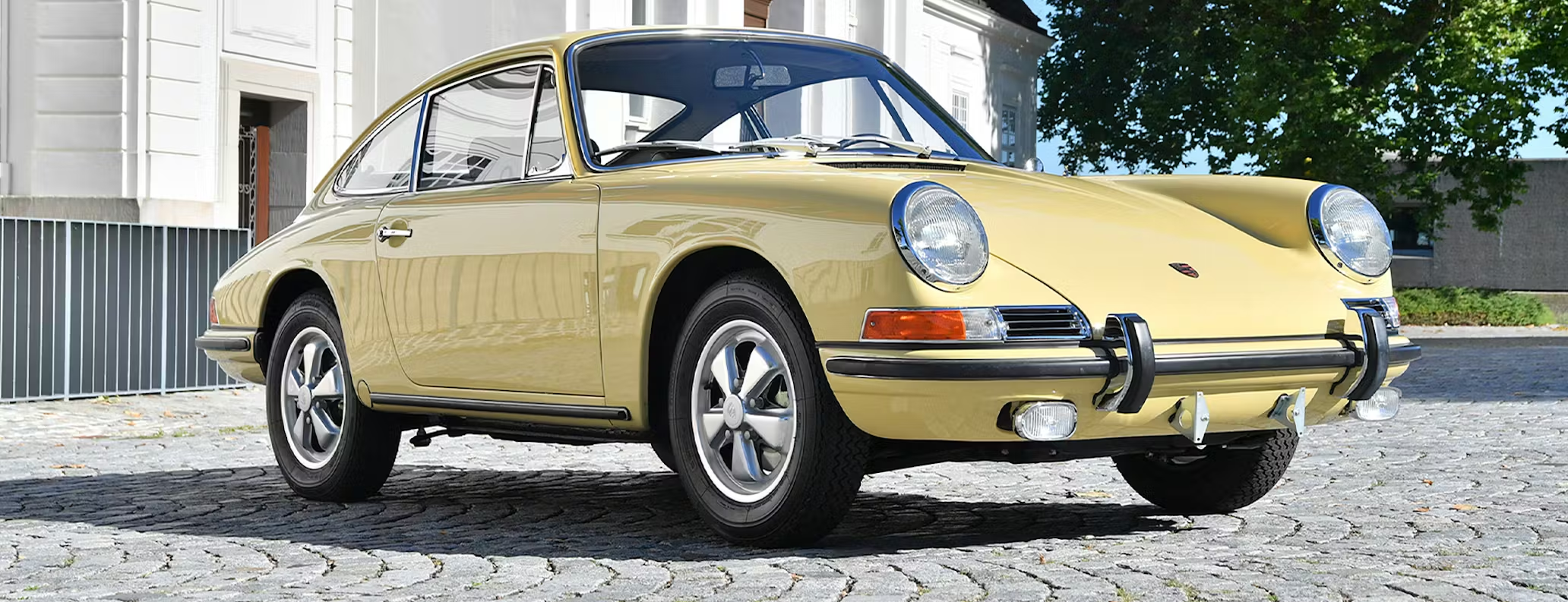
When the Porsche 911 was introduced in the mid 1960s, interior design took a noticeable step forward. While still focused on the driver, the cabin became more refined. Gauges were clearly arranged, seats offered improved support, and materials became slightly more upscale.
Early 911 interiors maintained a minimalist aesthetic, but Porsche began incorporating better padding, improved upholstery options, and more thoughtful ergonomics. Leather became more common, though vinyl was still widely used depending on trim level.
For owners focused on classic Porsche interiors in Everett, early 911 models represent a balance between raw driving experience and improved interior comfort. Preserving these interiors often involves restoring seat bolsters, repairing cracked dashboards, and replacing worn carpet sets with accurate reproductions that match the original weave and color.
The 1970s Air-Cooled 911: Comfort Meets Performance
As the 911 evolved through the 1970s, interiors became more comfortable without sacrificing Porsche’s performance-oriented DNA. Seat designs improved significantly, with deeper bolsters and better foam support. Dashboards became more complex, incorporating additional controls while maintaining clarity and usability.
Materials also evolved during this period. Leather quality improved, interior trim options expanded, and sound insulation became more refined. However, aging plastics, sun exposure, and wear are common issues today for interiors from this era.
In Everett, many classic Porsche owners face challenges related to moisture, temperature fluctuations, and limited sunlight during certain months. These environmental factors accelerate interior wear if not properly managed. As a result, local owners often focus on preventative care, climate-controlled storage, and professional interior restoration to protect their investment.
Late Air-Cooled 911 Models: A More Premium Cabin Experience
By the 1980s and early 1990s, Porsche interiors had clearly entered a more premium phase. Late air-cooled 911 models featured improved seat ergonomics, higher-grade leathers, better carpet materials, and more refined dashboard layouts.
Despite these upgrades, Porsche still emphasized driver engagement. The interiors remained purposeful and avoided unnecessary luxury. This balance is one reason these models remain highly desirable among collectors and enthusiasts.
Owners preserving classic Porsche interiors in Everett often approach late air-cooled models with a focus on subtle restoration. Rather than over-modernizing, they prioritize factory-correct materials, proper seat foam density, and accurate color matching to maintain originality.
Preservation Strategies Used by Everett Porsche Owners
Everett’s climate requires special consideration when preserving classic Porsche interiors. Moisture and humidity can damage leather, carpets, and adhesives if not addressed properly.
Local owners often take the following steps:
- Use climate-controlled garages to stabilize temperature and humidity
- Condition leather regularly to prevent drying and cracking
- Replace worn seat foam to maintain proper support and shape
- Repair dashboards rather than replacing them when possible to retain originality
- Use UV protection even during overcast months to prevent fading
These strategies help extend the life of classic Porsche interiors while maintaining authenticity.
Originality Versus Practical Improvements
One common discussion among Everett Porsche owners involves balancing originality with usability. While some prefer concours-level accuracy, others seek discreet upgrades that enhance comfort without altering the car’s character.
Examples include subtle seat foam improvements, upgraded sound insulation hidden beneath original carpets, or reinforced stitching using period-correct thread. These approaches allow owners to enjoy their cars more frequently while respecting historical accuracy.
For collectors focused on classic Porsche interiors in Everett, making informed decisions ensures that restoration work enhances rather than diminishes long-term value.
Why Interior Preservation Matters for Long-Term Value
Interior condition plays a major role in the overall value of a classic Porsche. Even mechanically sound vehicles can lose significant value if interior restoration is poorly executed or overly modernized.
Everett owners understand that quality craftsmanship, correct materials, and attention to detail separate high-quality restorations from average ones. This is especially true for interiors, where small inaccuracies are immediately visible.
Preserving interior authenticity also strengthens the connection between the driver and the vehicle. Classic Porsche interiors were designed to be experienced, not just displayed.
Preserving Porsche Interior Heritage in Everett
From the simplicity of the Porsche 356 to the refined cabins of air-cooled 911 models, Porsche interior design has evolved thoughtfully over decades. Each era reflects a unique balance of performance, comfort, and craftsmanship.
For enthusiasts focused on classic Porsche interiors in Everett, preservation is about more than aesthetics. It is about respecting history, protecting value, and ensuring these iconic cars continue to be enjoyed for generations to come.
Working With Skilled Interior Specialists in Everett
If you own a classic Porsche in Everett and want to preserve its interior with accuracy and care, consult professionals who understand both Porsche heritage and local environmental conditions. Thoughtful interior preservation today ensures your classic Porsche remains authentic, comfortable, and valuable well into the future.

